

If the company does not issue any more dividends, the preferred shareholders would only get their $50 dividend. No dividends would go in the dividend in arrears account for future years and the noncumulative preferred shareholders wouldn’t have any claim or right to additional dividends this year. Preference shares, or preferred shares, have a great deal in common with bonds. Investors who buy preference shares are interested in a steady, reliable income, not cashing in their stocks for market gains.
- For income focused investors this favorable tax treatment can boost the overall return.
- Non-cumulative preferred stockholders are given priority and preference over other common stakeholders during the payment of dividends.
- This means investors may receive no compensation for missed payments, increasing income uncertainty.
- Additionally, the potential for higher stock prices upon conversion can lead to increased shareholder value.
- Information about a company’s preferred shares is easier to obtain than information about the company’s bonds, making preferreds, in a general sense, perhaps more liquid and easier to trade.
- In venture capital term sheets, dividend provisions are often explicitly defined as non-cumulative to ensure funds can be reinvested into business growth rather than distributed.
Participating Preferred Stock
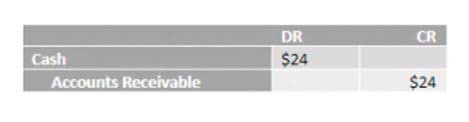
These standard preferred shares are sometimes referred to as non-cumulative preferred stock. It is vital for potential investors to be well-informed about the risks involved in purchasing noncumulative preferred stocks and weigh these risks against the potential rewards. They QuickBooks ProAdvisor should carefully consider various factors, including the financial health of the issuing corporation, the industry trends, and the company’s dividend policy before making an investment decision. First, issuing noncumulative preferred stock allows a company to avoid paying dividends in years when it may not be financially feasible. In times of economic instability or financial hardship, a corporation might choose not to distribute dividends to preferred shareholders. With non-cumulative stocks, the omission of dividends does not result in an entitlement for investors to claim future payouts.

Conclusion: Is Noncumulative Preferred Stock Right for Your Portfolio?
This model aims to determine the present value of all future dividends that the investor can expect from holding the stock. By understanding the unique characteristics of noncumulative preferred stocks, investors can make informed decisions about their investment strategies and better comprehend how these shares fit within a diversified portfolio. In the following sections, we will further explore the features and benefits of noncumulative preferred stocks, non cumulative preferred stock their differences from corporate bonds, and real-life examples to help solidify your knowledge on this topic. Another essential factor differentiating preferred stocks from common stocks is convertible bonds. A convertible bond is a corporate debt security that allows holders to convert their bond holdings into shares of either common or preferred stocks.
Advantages of Investing in Non-Cumulative Preferred Stocks
On the other hand, noncumulative preferred stockholders do not receive any accumulated or skipped dividends and will only collect the current year’s dividend payment if declared by the net sales company. One potential advantage of investing in noncumulative preferred stocks is their higher yield compared to other investment classes like common stocks or corporate bonds. Since investors accept the risk of forfeiting any missed dividends, they often demand higher yields to compensate for that risk.

Just like bonds, which also make fixed payments, the market value of preferred shares is sensitive to changes in interest rates. However, the relative move of preferred yields is usually less dramatic than that of bonds. Technically, they are equity securities, but they share many characteristics with debt instruments.